Your Y shaped proteins that bind to specific antigens images are ready. Y shaped proteins that bind to specific antigens are a topic that is being searched for and liked by netizens now. You can Get the Y shaped proteins that bind to specific antigens files here. Get all free photos.
If you’re looking for y shaped proteins that bind to specific antigens images information linked to the y shaped proteins that bind to specific antigens topic, you have visit the ideal blog. Our site frequently provides you with suggestions for seeking the highest quality video and image content, please kindly surf and find more informative video articles and images that match your interests.
Y Shaped Proteins That Bind To Specific Antigens. A resistance to pathogen or antigen because of memory cells antibody large Y shaped proteins that recognize and bind to antigens B cell lymphocyte that displays the antigen on its surface for a T cell to recognize cell-mediated immunity leads to the destruction of cells that are infected with viruses dendritic cell. Antibodies are large Y-shaped proteins that recognize and bind antigens. Large Y-shaped proteins that recognize and bind to antigens. Thus they ensure our bodies.
 Antibody Basics Novus Biologicals From novusbio.com
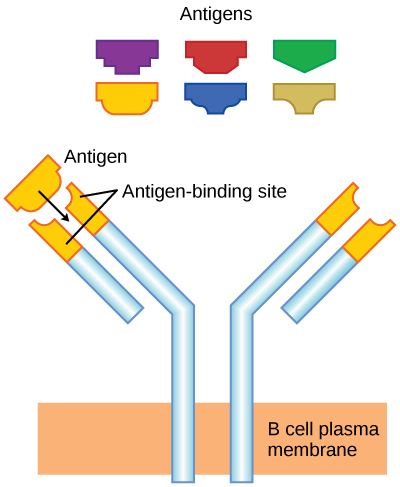
- X0PND4 from Alamys library of millions of high resolution stock photos illustrations and vectors. Computational approaches such as molecular docking are. An interaction similar to a lock and key. The antigen-binding site is the area of the antibody that recognizes the specific antigenic determinant and binds to the antigen. Download this stock image. Each tip of the Y of an antibody contains a paratope a structure analogous to a lock.
Illustration showing the structure of an antibody or immunoglobulin molecule.
The antibody recognizes a unique part of the foreign target called an antigen. Since different antibodies recognize different antigens antigen-binding sites are different for. - XBGGEH from Alamys library of millions of high resolution stock photos illustrations and vectors. Each tip of the Y of an antibody contains a paratope a structure analogous to a lock. Download this stock image. An antibody Ab also known as an immunoglobulin Ig is a large Y-shaped protein produced by B-cells that is used by the immune system to identify and neutralize foreign objects such as bacteria and viruses.
 Source: slideplayer.com
Y-shaped proteins that bind to specific antigens to help destroy pathogens directly or tagging them for destruction by other white blood cells. An interaction similar to a lock and key. Large Y-shaped proteins that recognize and bind to antigens. Download this stock image. Since different antibodies recognize different antigens antigen-binding sites are different for.
 Source: slideplayer.com
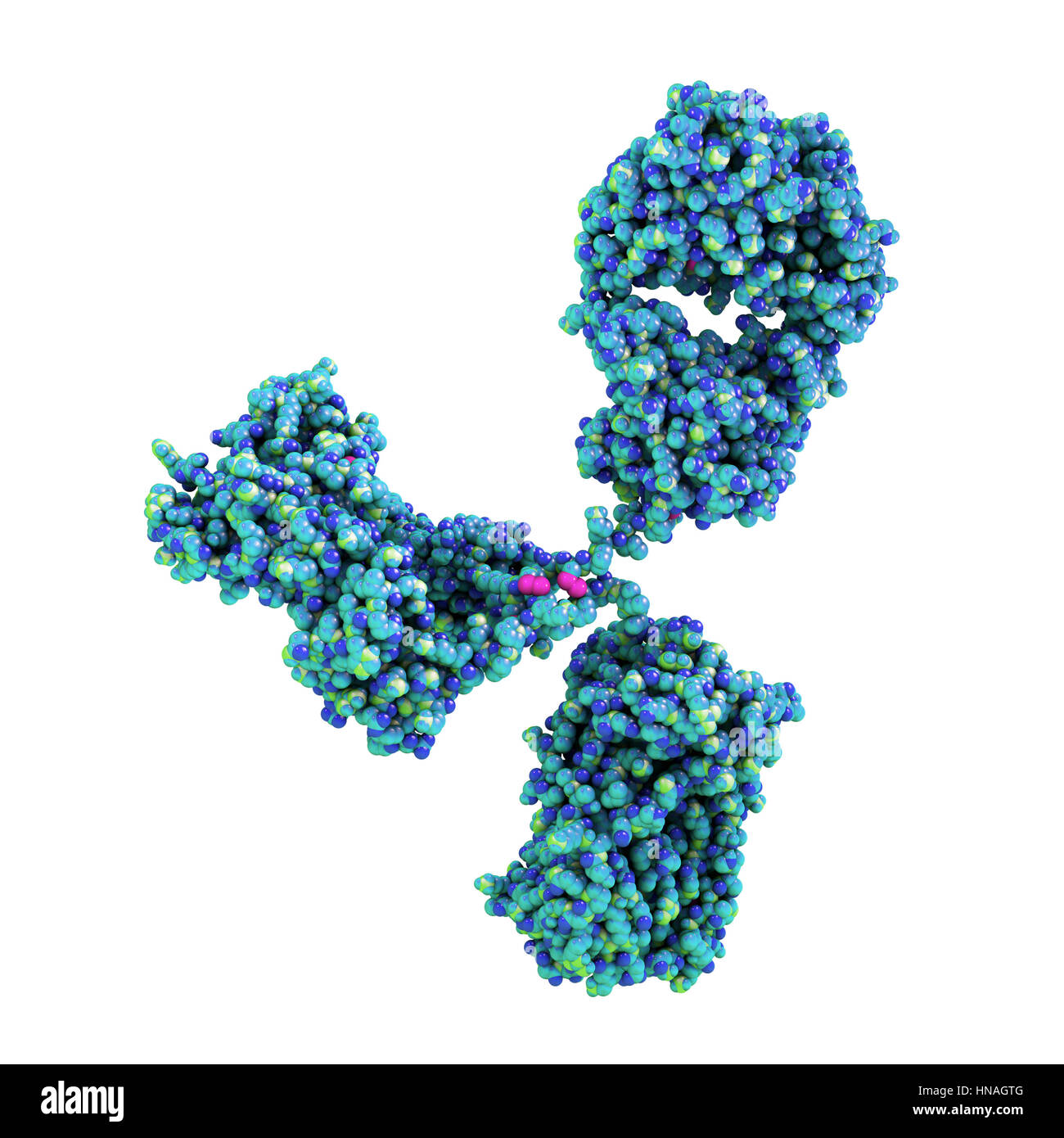
Computational approaches such as molecular docking are. Understanding the structural basis of antibody-antigen interactions is therefore crucial for improving our ability to design efficient biological drugs. Their capability to recognize antigens with high specificity makes them excellent therapeutic targets. These Y-shaped molecules have two arms that can bind to specific antigens for instance viral or bacterial proteins. Illustration showing the structure of an antibody or immunoglobulin molecule.
 Source: austincc.edu
These Y-shaped molecules have two arms that can bind to specific antigens for instance viral or bacterial proteins. Antibodies are Y-shaped proteins essential for immune response. These Y-shaped molecules have two arms that can bind to specific antigens for instance viral or bacterial proteins. - XBGGEH from Alamys library of millions of high resolution stock photos illustrations and vectors. Illustration of immunoglobulin antibody molecules.
 Source: wise-geek.com
Antibodies are Y-shaped proteins essential for immune response. An antibody Ab also known as an immunoglobulin Ig is a large Y-shaped protein produced by B-cells that is used by the immune system to identify and neutralize foreign objects such as bacteria and viruses. Since different antibodies recognize different antigens antigen-binding sites are different for. These B lymphocytes assault and remove viruses and other poisons. Each antibody binds to a specific antigen.
 Source: courses.lumenlearning.com
A white blood cell that ingests foreign cells through phagocytosis in which. Their capability to recognize antigens with high specificity makes them excellent therapeutic targets. An interaction similar to a lock and key. The y- shaped protein that is produced by plasma cells upon exposure to a specific antigen and can bind to that antigen is called a. A white blood cell that ingests foreign cells through phagocytosis in which.
 Source: sciencedirect.com
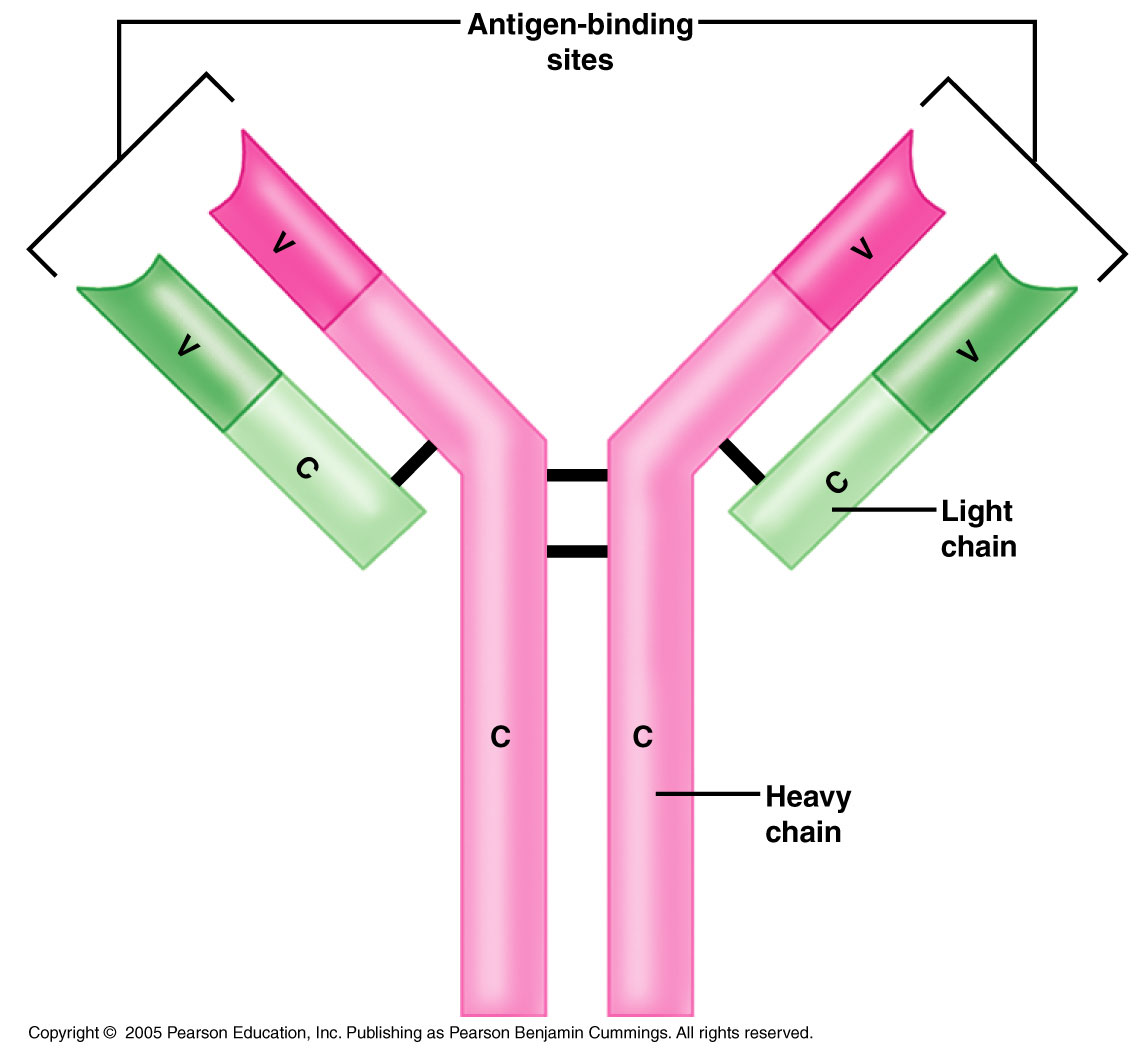
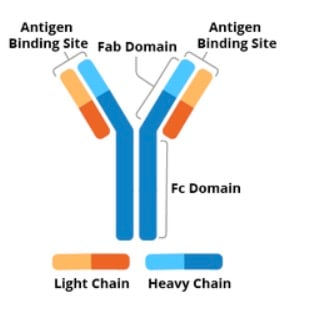
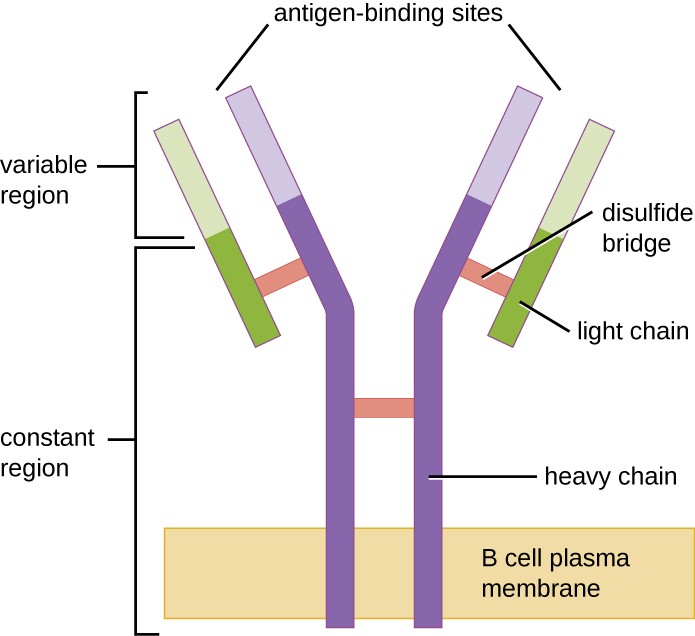
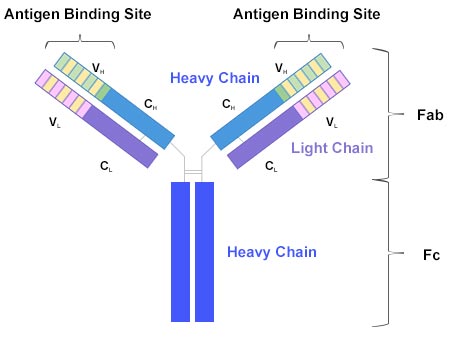
The lymphatic system produces leukocytes called lymphocytes Lymphocytes recognize and help destroy pathogens in body fluids and cells. At the ends of both the heavy and light chains in the areas that form the arms of the Y-shaped structure are regions known as antigen-binding sites. The Agglutinins bind the antigens causing the micro-organisms to clump together. Large Y-shaped proteins that recognize and bind to lymphocytes. Antibodies Y-shaped proteins produced by B lymphocytes or B cells in our immune system.
 Source: sites.google.com
Computational approaches such as molecular docking are. Large Y-shaped proteins that recognize and bind to antigens. Large X-shaped proteins that recognize and bind to lymphocytes. At the ends of both the heavy and light chains in the areas that form the arms of the Y-shaped structure are regions known as antigen-binding sites. Download this stock image.
 Source: nagwa.com
At the ends of both the heavy and light chains in the areas that form the arms of the Y-shaped structure are regions known as antigen-binding sites. In doing so they mark the antigen for destruction. Understanding the structural basis of antibody-antigen interactions is therefore crucial for improving our ability to design efficient biological drugs. Download this stock image. - X0PND4 from Alamys library of millions of high resolution stock photos illustrations and vectors.
 Source: blog.addgene.org
Download this stock image. Each antibody binds to a specific antigen. An interaction similar to a lock and key. Computational approaches such as molecular docking are. Large Y-shaped proteins that recognize and bind to antigens.
Source: novusbio.com
An antibody Ab also known as an immunoglobulin Ig is a large Y-shaped protein used by the immune system to identify and neutralize foreign objects such as pathogenic bacteria and viruses. Large X-shaped proteins that recognize and bind to lymphocytes. Illustration of immunoglobulin antibody molecules. Large Y-shaped proteins that recognize and bind to antigens. In doing so they mark the antigen for destruction.
 Source: alamy.com
Download this stock image. - X0PND4 from Alamys library of millions of high resolution stock photos illustrations and vectors. Antibodiesalso called immunoglobulinsor Igs are Y-shaped proteins that circulate through the blood stream and bind to specific antigens thereby attacking microbes. Thus they ensure our bodies. - XBGGEH from Alamys library of millions of high resolution stock photos illustrations and vectors.
 Source: shutterstock.com
A white blood cell that ingests foreign cells through phagocytosis in which. These antigen-specific antibodies bind to their antigens and mark them for any attack. Large Y-shaped proteins that recognize and bind to antigens. The antigen-binding site is the area of the antibody that recognizes the specific antigenic determinant and binds to the antigen. - X0PND4 from Alamys library of millions of high resolution stock photos illustrations and vectors.
 Source: courses.lumenlearning.com
These antigen-specific antibodies bind to their antigens and mark them for any attack. The Antitoxins bind the toxins therefore. A white blood cell that ingests foreign cells through phagocytosis in which. The antibody recognizes a unique part of the foreign target called an antigen. Computational approaches such as molecular docking are.
 Source: researchgate.net
The antibody recognizes a unique part of the foreign target called an antigen. Large X-shaped proteins that recognize and bind to antigens. Each tip of the Y of an antibody contains a paratope a structure analogous to a lock. The Antitoxins bind the toxins therefore. - X0PND4 from Alamys library of millions of high resolution stock photos illustrations and vectors.
 Source: cusabio.com
A white blood cell that ingests foreign cells through phagocytosis in which. Illustration showing the structure of an antibody or immunoglobulin molecule. In doing so they mark the antigen for destruction. Carbohydrates lipids and proteins that are on the surface of foreign cells and pathogens that trigger an immune response. These Y-shaped molecules have two arms that can bind to specific antigens for instance viral or bacterial proteins.
 Source: khanacademy.org
These antigen-specific antibodies bind to their antigens and mark them for any attack. Each tip of the Y of an antibody contains a paratope a structure analogous to a lock. Thus they ensure our bodies. They accomplish this by developing antibodies that are specific to a single antigen. - XBGGEH from Alamys library of millions of high resolution stock photos illustrations and vectors.
 Source: capricorn.bc.edu
The lymphatic system produces leukocytes called lymphocytes Lymphocytes recognize and help destroy pathogens in body fluids and cells. An antibody Ab also known as an immunoglobulin Ig is a large Y-shaped protein produced by B-cells that is used by the immune system to identify and neutralize foreign objects such as bacteria and viruses. These Y-shaped molecules have two arms that can bind to specific antigens for instance - 2ADDHJ9 from Alamys library of millions of high resolution stock photos illustrations and vectors. Large Y-shaped proteins that recognize and bind to lymphocytes. Antibodies are large Y-shaped proteins that recognize and bind antigens.
 Source: novusbio.com
An antibody Ab also known as an immunoglobulin Ig is a large Y-shaped protein produced by B-cells that is used by the immune system to identify and neutralize foreign objects such as bacteria and viruses. Large X-shaped proteins that recognize and bind to lymphocytes. These B lymphocytes assault and remove viruses and other poisons. - XBGGEH from Alamys library of millions of high resolution stock photos illustrations and vectors. Download this stock image.
This site is an open community for users to do sharing their favorite wallpapers on the internet, all images or pictures in this website are for personal wallpaper use only, it is stricly prohibited to use this wallpaper for commercial purposes, if you are the author and find this image is shared without your permission, please kindly raise a DMCA report to Us.
If you find this site adventageous, please support us by sharing this posts to your preference social media accounts like Facebook, Instagram and so on or you can also bookmark this blog page with the title y shaped proteins that bind to specific antigens by using Ctrl + D for devices a laptop with a Windows operating system or Command + D for laptops with an Apple operating system. If you use a smartphone, you can also use the drawer menu of the browser you are using. Whether it’s a Windows, Mac, iOS or Android operating system, you will still be able to bookmark this website.